


What Is a Raised Access Floor?
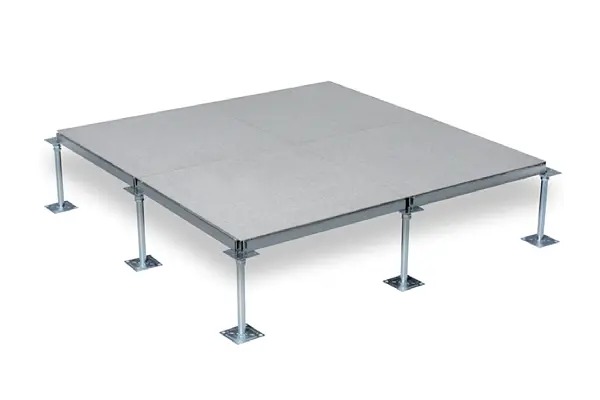
Raised access flooring is a modular flooring system installed above the structural concrete slab to create an accessible void underneath. This underfloor space is commonly used to route power cables, data wiring, air distribution systems, and other building services while keeping the workspace clean and organized.
Today, raised access floors are widely used in data centers, commercial offices, control rooms, clean rooms, and other environments where flexibility and easy maintenance are essential.
Main Components of a Raised Access Floor
A standard raised access floor system typically consists of the following parts:
- Floor panels
- Adjustable pedestals
- Stringers (when required)
- Floor covering materials such as HPL, PVC, or ceramic finishes
- Accessories including ramps, grilles, and service outlets
These components work together to provide a stable walking surface while creating a functional underfloor service area.
Common Types of Raised Access Floors
Different projects require different flooring systems. Some of the most common options include:
- Steel cementitious raised access floors
- Calcium sulphate raised floors
- Aluminum raised floors
- Woodcore raised floors
- Perforated raised floor panels for airflow management
- OA network floors for office buildings
The selection depends on load requirements, environment, budget, and maintenance needs.
Where Are Raised Access Floors Used?
Raised access flooring has become a standard solution in many industries.
Typical applications include:
- Data centers and server rooms
- Commercial office buildings
- Telecommunications facilities
- Control rooms
- Clean rooms
- Laboratories
- Financial institutions
- Command and monitoring centers
Each environment benefits from improved cable management and easier future modifications.
Key Advantages
Organizations choose raised access flooring because it offers several practical benefits:
- Simplifies cable management
- Supports flexible office layouts
- Improves maintenance accessibility
- Helps organize power and network systems
- Accommodates HVAC airflow in some applications
- Allows easy replacement of individual panels
- Reduces disruption during renovations or upgrades
These advantages make raised flooring a long-term infrastructure investment.
How to Choose the Right Raised Access Floor
Before selecting a system, consider several important factors:
- Expected static and rolling loads
- Floor height requirements
- Type of equipment installed
- Fire resistance requirements
- Surface finish preferences
- Underfloor cable volume
- Future expansion plans
- Environmental conditions
Consulting with an experienced supplier can help match the flooring system to the project’s technical requirements.
Maintenance Tips
Regular inspection helps maintain long service life.
Recommended practices include:
- Keep panels clean and dry.
- Inspect pedestals and supports periodically.
- Replace damaged panels promptly.
- Avoid exceeding the designed load capacity.
- Reorganize underfloor cables when modifications are made.
With proper maintenance, raised access flooring systems can provide reliable performance for many years.
Conclusion
Raised access floors provide an efficient and flexible solution for modern buildings that require organized cable routing, convenient maintenance, and adaptable layouts. Whether used in a data center, office, or clean room, selecting the appropriate system based on project requirements helps ensure long-term performance and reliability.